Brownfields are abandoned or underused properties where there is known or suspected contamination. Brownfields are found in every community in Minnesota. They include abandoned gas stations, former dry cleaners, old factories, grain elevators no longer in operation, and more.
Brownfields can be a challenge to redevelop and often sit idle for years. This can lead to neighborhood blight, unsafe structures, and contaminated spaces that can harm people and the environment.
Benefits of brownfield cleanup and redevelopment
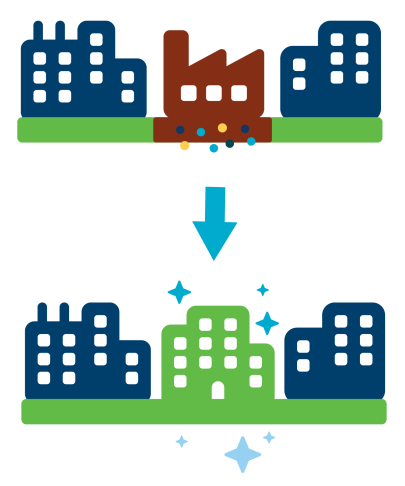
Investigating and cleaning up brownfields allows for redevelopment while protecting human health and the environment. Redeveloping brownfield properties can benefit local communities by:
- improving public health
- enhancing the livability of neighborhoods
- reducing urban sprawl
- creating new businesses and jobs
- adding to the tax base

Brownfield assessments
A brownfield assessment is a property investigation looking for potential contamination. The investigation consists of several key stages:
- All investigations start with a historical review (called a Phase I investigation) to identify any past or present on-site activities that could have resulted in contamination.
- If contamination is known or suspected, then a deeper investigation (called a Phase II investigation) is needed to identify the type of contamination present and how much is there. This often includes sampling both soil and groundwater and assessing buildings for hazardous materials.
- If necessary, a plan is created outlining the steps that need to be taken to prevent people from being exposed to contamination during redevelopment or property reuse.
Brownfield investigations help us:
- Identify potential contamination. Knowing the condition of a property allows for better planning, helps prevent costly surprises for future developers, and ensures that cleanup dollars are used efficiently.
- Plan for safe redevelopment. Once contamination is understood, redevelopment plans can be designed to protect future site occupants and users, and the environment. Safe reuse or redevelopment of a property may include removing contaminated soil, installing a radon-like system that prevents contaminated soil vapors from entering building spaces (called vapor mitigation), removing lead-based paint, and more.
- Support economic revitalization. Cleaning up and reinvesting in abandoned or underused properties opens the door for new businesses, housing, parks, community spaces, and more. These projects create construction jobs, attract private investment, improve neighborhood livability, increase the local tax base, and help bring long-term economic activity back to areas that have been stagnant.

Brownfield success stories
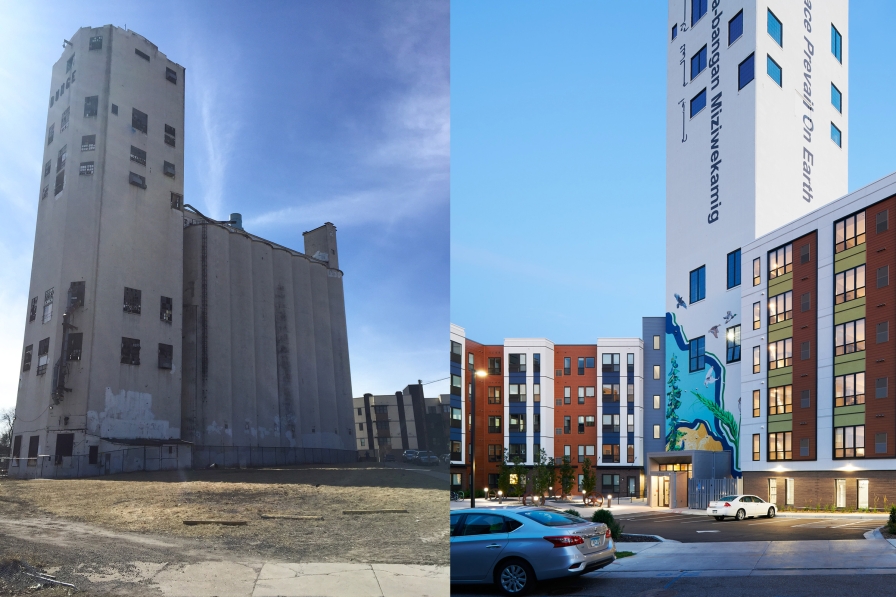
Brownfields are located in cities and towns all across Minnesota. Check out these success stories for a sample of site redevelopment work around the state.
Advice for property owners and purchasers
Do you currently own a property or are you thinking of buying a property where environmental contamination is suspected?
- If you currently own a property and were aware of the presence of confirmed environmental contamination at the time of purchase, you could be responsible for any required cleanup actions. If you have questions about this, contact program staff for more information.
- If you plan to buy a property, investigate past uses of the property before you purchase it. Hire an environmental consultant experienced in brownfield redevelopment to conduct a Phase I investigation, which will identify historical uses of the property that may be of environmental concern. The Phase I investigation may recommend a Phase II investigation if historical uses suggest potential contamination.
- Investigating past uses of a property before purchasing it protects you and your lender. Understanding if contamination is present, the extent of contamination, and what actions may be necessary to safely redevelop the property may allow the MPCA to issue liability protection to purchasers and lenders when appropriate. Learn more about MPCA liability assurance letters and Brownfield Program services.
- Investigation and cleanup grants to support redevelopment of brownfield sites may be available from county, state, and federal agencies.

Grants for brownfield investigation
This MPCA grant program funds Phase I and Phase II investigations of brownfield properties to support safe redevelopment and reuse.
Supporting communities in identifying and cleaning up brownfields
Brownfields are found in every community, but their presence is not felt equally among all residents of a community. Brownfields are often located in neighborhoods that are disproportionally impacted by the cumulative effects of commercial and heavy industry.
The MPCA is committed to supporting environmental justice communities and Tribal Nations in accessing resources for brownfield investigation and cleanup. If you are a Tribal Nation, community organizer, nonprofit, first-time developer, or small developer, we’d like to hear from you to help you access resources.