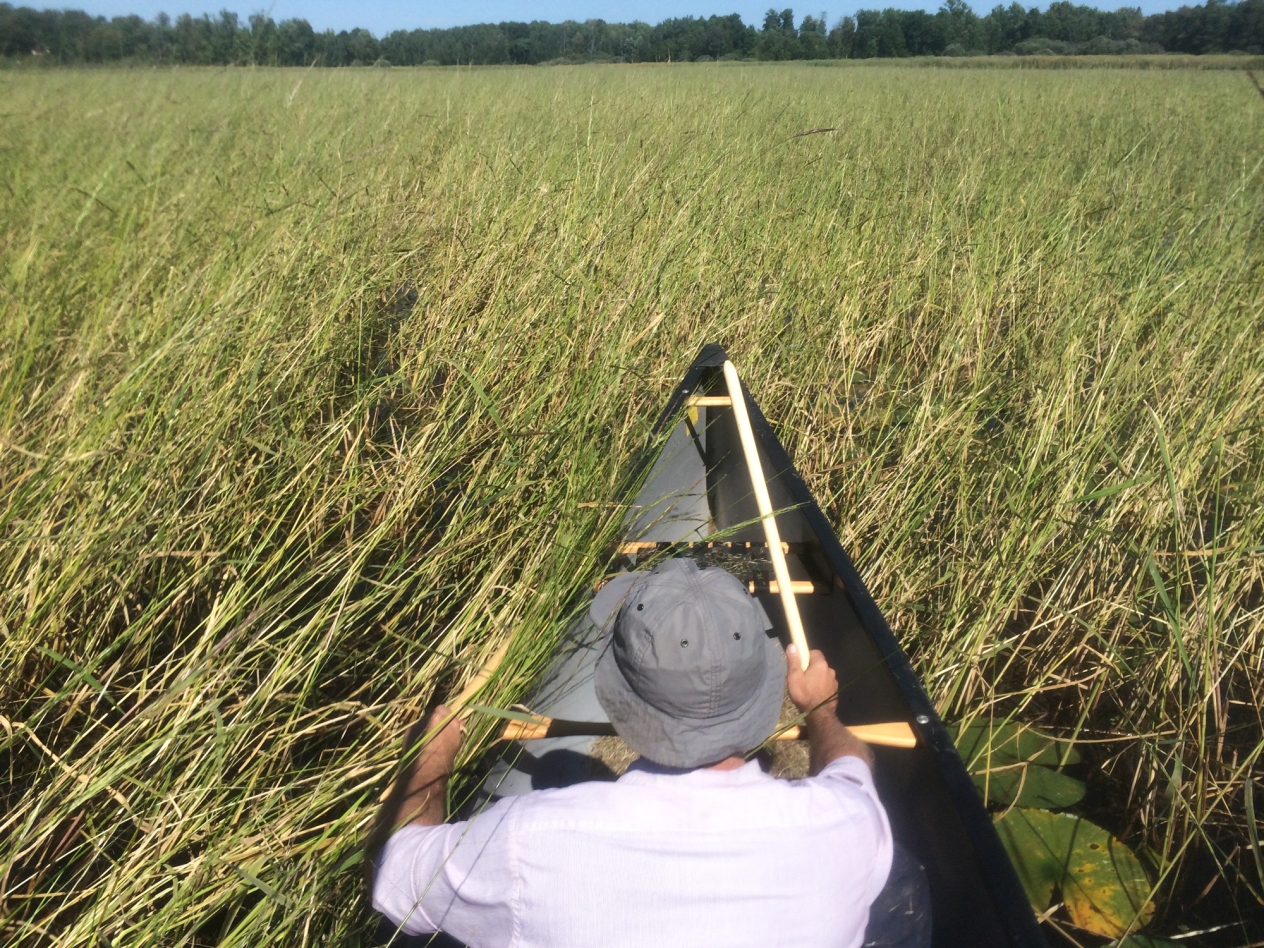
The Minnesota Pollution Control Agency remains committed to protecting Minnesota’s air, land, water, climate, and wild rice — along with its cultural and historical significance. We use data and science to drive our decisions and policies.
Agency decisions are grounded in science and the law. We are dedicated to working with others to continue to review new science and data as it becomes available. While the impact of sulfate and sulfide on ecosystems is well documented in published science, many have expressed concerns over the age of the sulfate standard, which was adopted in the 1970s. Additionally, data suggests that naturally occurring sulfate levels vary across Minnesota.
In partnership with independent researchers, the MPCA is beginning an evaluation of peer-reviewed science to validate the impacts of sulfate on wild rice. At the same time, the MPCA will work with academic experts to understand and document the variation in naturally occurring sulfate levels across the state.
We anticipate these two analyses will be completed in late 2026 and could inform the MPCA’s approach to implementing the 10 mg/L wild rice sulfate water quality standard. In the interim, potential paths forward for NPDES (water discharge) permits may include a temporary delay in permit development, a permit requirement to monitor for sulfate, or a sulfate limit based on the current water quality standard. These decisions will be made on a case-by-case basis in conversation with permit holders and applicants.
Questions and answers
What drove this decision to pursue those two projects?
The MPCA’s core values include being data-driven and a learning organization; the agency always looks to data and science when making decisions and writing policies. As science advances, we understand more about what makes up Minnesota’s waters and land. As a learning organization, we continually review new information to guide our work.
Recent studies have confirmed that sulfate converts to sulfide, which is toxic to wild rice. Data suggest waters across the state have different levels of naturally occurring sulfate. That information can help us determine how naturally occurring sulfate should inform sulfate regulation in the state.
What is the difference in naturally occurring sulfate in the southern part of the state compared to the northern part of the state?
Sulfate data suggest that natural levels in surface waters in southern Minnesota are much higher than natural sulfate levels in surface waters in northern Minnesota. The analysis that the MPCA will undertake will center on characterizing natural background levels of sulfate by identifying and, through statistical methods, removing point and nonpoint sources from these sulfate levels to refine maps of naturally occurring sulfate levels across the state.
Will the natural background sulfate analysis be reviewed by other scientists?
Yes. The MPCA intends to have external scientists review the sulfate analysis. We are identifying potential partners for this work.
How long will the natural background sulfate analysis take?
MPCA scientists estimate they will need approximately nine months to review the available data and science, conduct new analyses, and model estimates of naturally occurring background sulfate levels across the state. At that point, the agency may determine if considering naturally occurring levels of sulfate should change how we are implementing sulfate in Minnesota.
Why is it going to take so long to complete the work?
There are two projects involved, each very different from each other, that require working with external researchers. The amount of time this process may take is an estimate; these analyses could move more quickly than anticipated. They could also take a bit longer if we need to contract out any of the work.
What impact will these projects have on rulemaking and water quality standards?
No decisions on rulemaking have been made. We will not be able to determine if a rulemaking is needed or warranted until we complete the projects.
What impact will these projects have on pending permits?
The permitting process will continue while the MPCA conducts these projects, and the MPCA will continue to issue permits that protect Minnesotans’ health and the environment. Potential paths forward for NPDES (water discharge) permits may include adding a permit requirement to monitor for sulfate or continuing with the application process using a sulfate limit based on the current water-quality standard. Permit applicants may also decide to redesign their facilities to avoid discharging to surface waters. These decisions will be made on a case-by-case basis in conversations with permittees.
Isn’t the current standard 10 mg/L, formally approved by the EPA, still in effect?
Yes, while the projects are ongoing, the 10 mg/L sulfate water quality standard is still in effect.
What is the EPA's position on these proposed studies and the plan to make case-by-case permit decisions?
The EPA is aware of the MPCA’s plans to pursue these two areas of study. The MPCA works closely with the EPA to carry out Clean Water Act delegated authorities in Minnesota. The EPA is the ultimate authority on Clean Water Act actions and has the opportunity to review draft water discharge (NPDES) permits that the MPCA develops. The MPCA addresses the EPA’s comments before finalizing permits, and the EPA has final permit approval authority.
How does this study impact the protection of wild rice?
The MPCA’s review of statewide sulfate data and the current body of sulfate/wild rice research does not change the current wild rice standard, existing permit limits, or how wild rice waters are protected. The Minnesota Pollution Control Agency remains committed to protecting Minnesota’s air, land, water, climate, and wild rice — along with its cultural and historical significance.