Removing PFAS from products expected to slash their impact on the environment and human health
While a lot of concern about per- and polyfluoroalkyl substances, the “forever chemicals” also known as PFAS, centers around their contamination of water and land, PFAS became so ubiquitous in our environment in part from their use in consumer products.
It would only make sense, then, to reduce use of PFAS in the products we buy. That was what East Metro resident Amara Strande campaigned for and what the Minnesota Legislature mandated in a 2023 bill known as Amara’s Law, which passed just months after Strande died in April 2023 at the age of 20.
While Minnesota’s PFAS Blueprint already called for an end to nonessential PFAS use, Amara's Law specifically aimed to prevent PFAS pollution by prohibiting their use in new products sold or distributed in the state. Parts of the law won’t fully take effect until 2032, but Minnesota has restricted PFAS use in a number of products since 2023.
With successful implementation of Amara’s Law underway, consumers may still have questions. What exactly does the law mean for your next trip to the store or online purchase? How can you make sure that the things you’re buying are not made with PFAS? And what should you do with products containing PFAS you already own?
What products are now required to be made without PFAS?
While about 25 states have laws limiting PFAS use, Minnesota's PFAS prevention measures are some of the most comprehensive. The first stage of implementation began in January 2025. While other Minnesota laws already prohibit the use of PFAS in food packaging and firefighting foam, Amara’s Law now requires most new products sold or distributed in 11 categories be made without PFAS. Those categories include:
- carpets or rugs, including outdoor carpet and car floor mats
- cleaning products, including detergents and stain removers
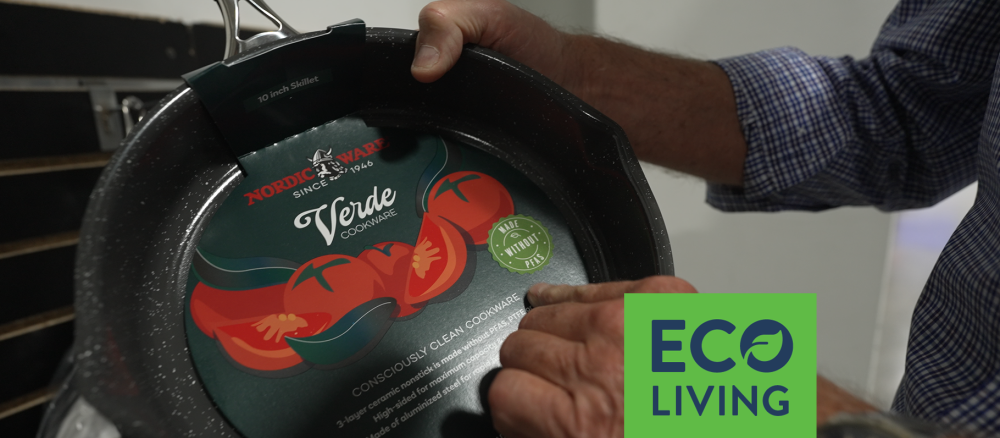
- cookware
- cosmetics
- dental floss
- fabric treatments
- juvenile products, including car seats, children’s clothing, and toys for children under 12
- menstruation products, including tampons and disposable and reusable pads
- ski wax
- textile furnishings, including draperies, bedding, and towels
- upholstered furniture
Manufacturers were already making many of these products without PFAS and are now updating products to comply with the law.
For consumers, these changes are making it easier to avoid PFAS while going largely unnoticed.
“The implementation of Amara’s Law is going well,” says MPCA Commissioner Katrina Kessler. “It’s been a seamless transition for most consumers. Minnesota store shelves are still full of choices across those product categories.”
In 2032, the law will prohibit nonessential use of PFAS in all products, not just those in the 11 categories above.
Why phase out PFAS?
PFAS were invented in the 1940s, then gained widespread adoption in products and manufacturing processes once manufacturers saw how well they helped products resist stains and repel water. With PFAS, manufacturers could create better non-stick coatings for cookware and spray-on flame retardants.
But the same properties that allowed PFAS to excel in those applications also keep PFAS from breaking down in the environment, thus the “forever chemical” nickname. Decades after products containing PFAS are disposed of, the PFAS contamination that they created can still be found in the air, water, and soil.
There is a risk of human exposure and environmental pollution whenever PFAS contamination occurs. Long-term exposure to PFAS in even small amounts can affect human health. Some PFAS are associated with an elevated risk of negative health outcomes, including impaired immune systems, liver problems, lower birthweight, and certain cancers.
Cleaning up PFAS is no simple matter. PFAS cleanup is costly and takes time, and as a result, Minnesota’s PFAS Blueprint prioritizes prevention of PFAS pollution. Phasing PFAS out of products and out of the manufacturing processes that create those products helps meet that priority and reduces the risk of human exposure to PFAS for generations to come.
It’s not an impossible task, either. The aforementioned restriction on PFAS in food packaging has been in place since 2024, and the ski equipment industry has already switched to waxes made without PFAS.

What products still contain PFAS?
Just from looking at most products, it’s difficult to tell whether they contain PFAS, which is why the law puts the responsibility on manufacturers and retailers, not consumers. Some manufacturers have begun to advertise their products as “made without PFAS” or committed to removing PFAS from their manufacturing processes.
Several organizations offer third-party verification of products claiming to be made without PFAS. Minnesota’s laws don’t require these certifications, but they can be a good resource for consumers and retailers who are trying buy or sell safer products.
As part of Amara’s Law, manufacturers are now required to report intentionally added PFAS in products sold in Minnesota and pay a fee. This includes products only sold online.
How should I dispose of products containing PFAS?
While the law goes a long way to prevent new products containing PFAS from being sold, most of us already own products from the above categories that could contain PFAS. These products may continue to be used — the new law doesn’t require households to replace or get rid of anything — but when the time comes, properly disposing of PFAS products can help protect the environment.
Some of those items, like cookware and dental floss, can be disposed of alongside normal household solid waste. However, any liquid products containing PFAS such as floor waxes, glass cleaners, and cleaners in aerosol cans, should not go down the drain. Instead, they should be disposed of through a county household hazardous waste program.
For detailed guidance on what constitutes household hazardous waste and what to do with products that contain PFAS, contact your county’s solid waste department.
More information
Check out our additional resources and sign up for more information about Minnesota laws that prevent PFAS pollution.