Minnesota climate smart food systems (CSFS)
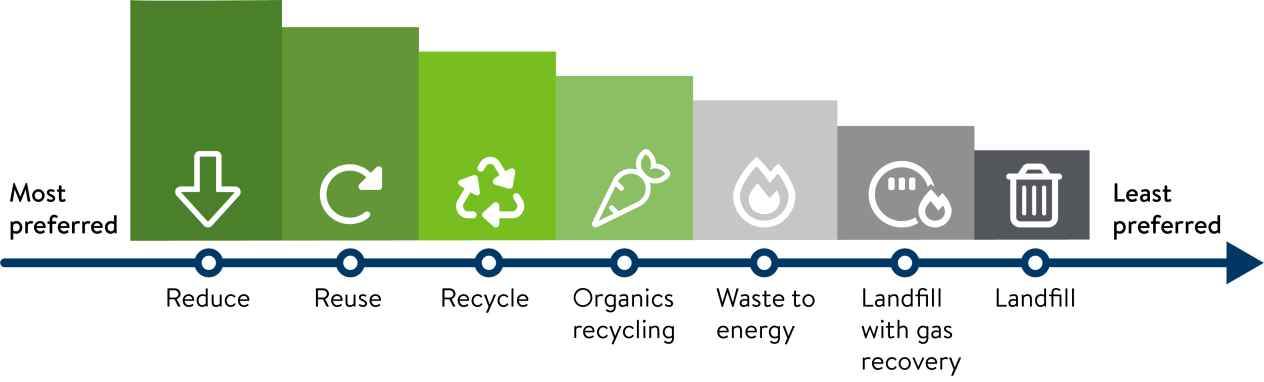
The MPCA has approximately $6 million available to support organics management programs across the state that will expand participation in Minnesota’s organics recycling system and reduce the amount of wasted food and food scraps disposed of through landfilling or incineration. Grant funding will support projects focused on organics collection programs, outreach and education that improve or increase organics recycling, and/or market development for finished compost and anaerobic digestion outputs. Projects focusing primarily on organics processing facilities such as compost sites and anaerobic digesters are not eligible.
Application deadline is 4 p.m. Central Time on Nov. 25, 2026.
Questions and answers
Submit questions about this grant to grants.pca@state.mn.us with the subject line “MCSFS Statewide Organics Management Programs Grant question” no later than 4 p.m. on Nov. 9, 2026.
MPCA employees cannot answer questions about this grant opportunity, and direct contact regarding this RFP with any MPCA personnel may result in disqualification.

Informational meeting
The MPCA held an informational webinar on Sept. 23, 2026, to discuss this grant opportunity, the SWIFT process, and answer questions from participants.
Eligibility
Eligible applicants include entities that are serving Minnesota communities or have operations in Minnesota, such as not-for-profit organizations, for-profit businesses, a new business that will locate a facility in Minnesota, educational and other institutions, political subdivisions of the state (including counties, cities, towns, etc.), state agencies, and Tribal governments. Multi-organizational collaboration is encouraged.
Eligble projects. To be eligible for this funding, projects must result in expanded participation in Minnesota’s organics recycling system for wasted food and food scraps. Expanding participation can include organics collection programs, outreach and education that improves or increases organics recycling, and/or market development for finished compost and anaerobic digestion outputs.
Additionally, workplans for eligible projects must include an educational or outreach component directed towards program participants or target audiences, and a plan for measuring and evaluating the results of the project.
Funds may be used for costs directly related to the project such as materials, supplies, equipment, and services; construction costs; operating and staff costs; and some capital expenses. See the RFP for more details on eligible expenses.
Costs related to compost site or anaerobic digestion (AD) processing machinery, equipment, and other related costs may comprise up to 25% of the project’s grant-funded expenses if these costs are directly related to the project. Such costs are also eligible as a matching contribution if directly related to the project.
Available funds
Total available funds: $6 million. Applicants must match at least 20% of the grant request with cash or in-kind contributions.
Large projects ($5 million):
- maximum award: $1.5 million
- minimum award: $300,000
Smaller projects ($1 million):
- maximum award: $299,999
- minimum award: $100,000 (applicants requesting less than the minimum amount will be deemed ineligible)
How to apply
Review the RFP. The request for proposal (RFP) and application materials can only be accessed through the online SWIFT portal. The RFP is termed an “Event” within the SWIFT system.
- go to the online SWIFT portal
- click on "Bidding opportunities"
- find the events by name (MPCA MCSFS Statewide Organics Management Programs) or ID (2000018650)
- click "View Bid Package" to see the RFP and forms; there’s no need to log in to see the documents
Apply online. Grant applications are only accepted through the SWIFT portal.
- register as a bidder in the SWIFT Supplier Portal; bidding = "applying"
- choose "Register for an Account" and then "Register as a Bidder"
If you are already registered in the SWIFT system as a supplier (previously known as a vendor), use your supplier ID. Visit the SWIFT Supplier Portal under “Informational Tips” and “Supplier Portal Help” for more information.
Need help with SWIFT? Direct questions about applying through SWIFT to the Vendor Assistance Help Desk at 651-201-8100, option 1.
More information
The U.S. Environmental Protection Agency awarded Minnesota $200 million to cut climate pollution from our state’s food systems through the federal Climate Pollution Reduction Grants program. Led by the MPCA in collaboration with other state agencies, local governments, and Tribal Nations, the climate-smart food systems initiative will distribute this investment through multiple programs through September 2029.
Organics such as food waste and compostable products make up almost one third of the municipal waste stream in Minnesota. When food is wasted, so are the resources that go into producing it. Food waste is a significant contributor to climate change, responsible for at least 2.6 percent of all U.S. greenhouse gas emissions. That’s equivalent to the annual emissions from more than 37 million cars, or 1 in 7 cars on the road. Composting and anaerobic digestion reduce greenhouse gas emissions from food waste compared to landfilling or incineration, and produce beneficial products such as compost, digestate, and biogas.