Minnesota climate smart food systems (CSFS)
The MPCA has approximately $10 million available to support organics management infrastructure projects across the state that will expand infrastructure capacity for composting source-separated organic materials (SSOM) in Minnesota with a focus on wasted food and food scraps.
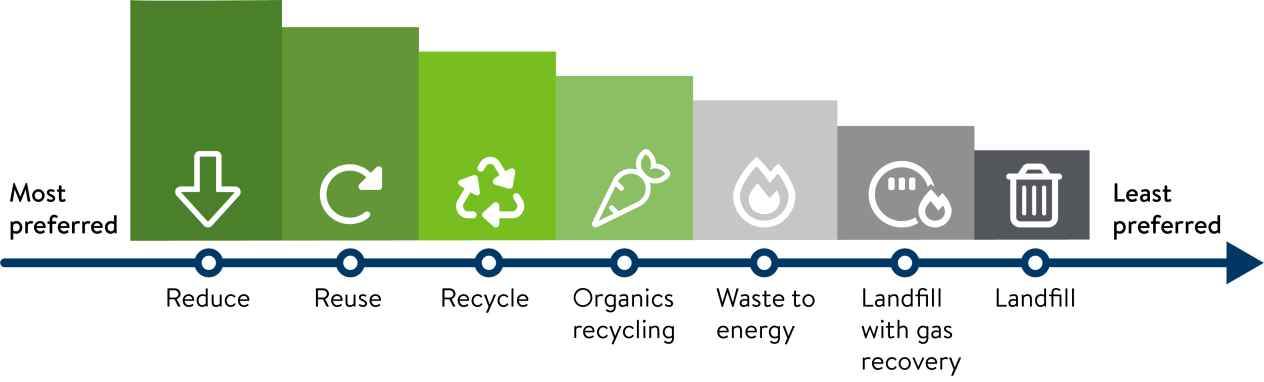
This grant program aims to reduce the amount of organic material being disposed of through landfilling or incineration by funding projects that expand composting capacity either through the creation of new compost infrastructure or the expansion of capacity within existing compost infrastructure.
Closed: Application deadline was 4 p.m. Central Time on April 15, 2026
Questions and answers
Submit questions about this grant to grants.pca@state.mn.us with the subject line “MCSFS Statewide Organics Management Infrastructure Grants” no later than 4 p.m. on April 8.
MPCA employees cannot answer questions about this grant opportunity, and direct contact regarding this RFP with any MPCA personnel may result in disqualification.

Informational meeting
The MPCA held an informational webinar on Feb. 11, 2026, to discuss this grant opportunity, the SWIFT process, and answer questions from participants.
Eligibility
To be eligible for funding, project must result in the expansion of wasted food and food scraps composting infrastructure capacity in Minnesota. Composting infrastructure is defined as facilities and equipment that process, or prepare for processing, source-separated organic material into compost. This includes compost sites and compost processing equipment, fixed or mobile transfer facilities and transfer stations, collection vehicles, and other equipment or infrastructure for delivering or preparing organic material to be processed at compost sites.
Funds may be used for capital expenses, operating and staff costs, and other costs directly related to the project. See the RFP for more details on eligible expenses.
This grant focuses on wasted food and food scraps composting, composting projects focused on yard waste or other organics management methods are not eligible.
Multi-organizational collaboration is encouraged. Eligible applicants include entities that are serving Minnesota communities or have operations in Minnesota, such as:
- not-for-profit organizations
- for-profit businesses
- a new business that will locate a facility in Minnesota
- educational and other institutions
- political subdivisions of the state (including counties, cities, town, etc.)
- state agencies
- Tribal governments
Available funds
Total available funds: $10 million. Applicants must match at least 20% of the grant request.
Large projects ($8.5 million):
- maximum award: $2 million
- minimum award: $500,000
Smaller projects ($1.5 million):
- maximum award: $499,999
- minimum award: $100,000 (applicants requesting less than the minimum amount will be deemed ineligible)
More information
The U.S. Environmental Protection Agency awarded Minnesota $200 million to cut climate pollution from our state’s food systems through the federal Climate Pollution Reduction Grants program. Led by the MPCA in collaboration with other state agencies, local governments, and Tribal Nations, the climate-smart food systems initiative will distribute this investment through multiple programs through September 2029.
Organics such as food waste and compostable products make up almost one third of the municipal waste stream in Minnesota. When food is wasted, so are the resources that go into producing it. Food waste is a significant contributor to climate change, responsible for at least 2.6 percent of all U.S. greenhouse gas emissions. That’s equivalent to the annual emissions from more than 37 million cars, or 1 in 7 cars on the road. Composting and anaerobic digestion reduce greenhouse gas emissions from food waste compared to landfilling or incineration, and produce beneficial products such as compost, digestate, and biogas.