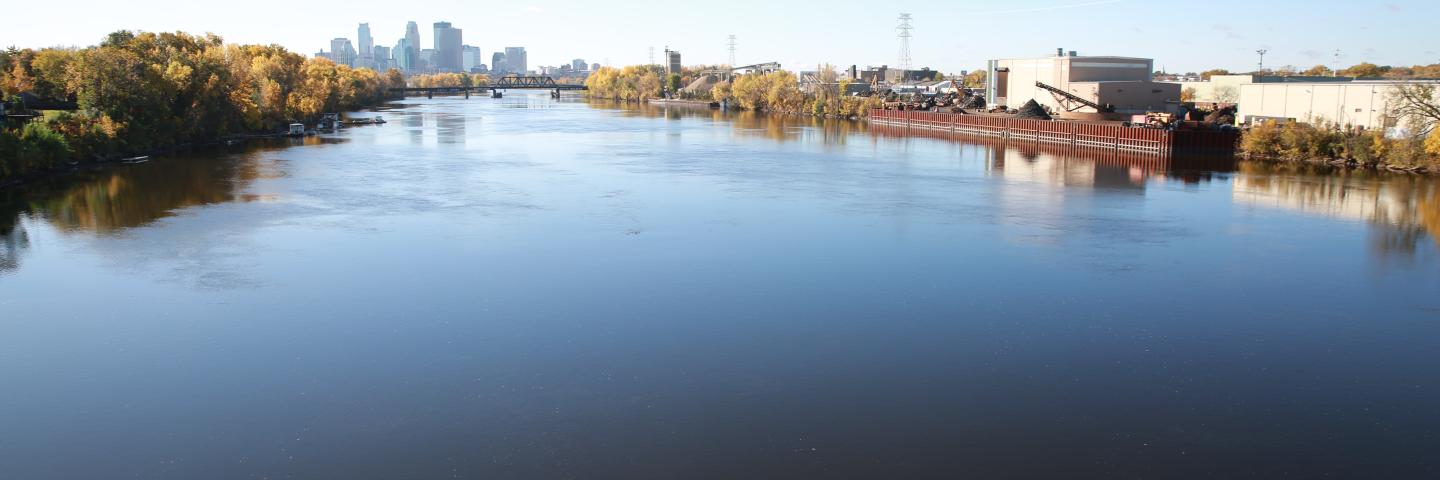
From the days when raw sewage flowed into rivers and lakes, Minnesota’s water bodies have come a long way. However, there is still work to be done in the restoration and protection of our waters. We know from years of research about the pollutants that degrade water quality conditions, the sources of those pollutants, and the ways they reach the water.
New report shows long-term water quality trends
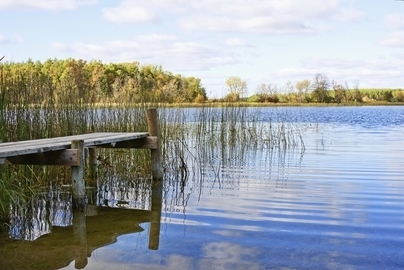
Published in September 2025, Flowing forward is a new report from the MPCA that highlights how Minnesota’s waters are changing and what those changes mean for our environment and communities. The MPCA’s long-term monitoring shows that fish and insect populations in rivers and streams are improving in most regions, a sign of healthier ecosystems. Phosphorus levels in major rivers are stabilizing or decreasing, and nitrate increases are slowing compared to the past. Water clarity in many lakes and streams is also improving, supported by decades of volunteer-collected data. At the same time, new and persistent challenges such as climate impacts, land use, and pollutants like PFAS require ongoing vigilance. Supported by the Clean Water Fund, this work ensures Minnesotans have clean water for drinking, fishing, swimming, and recreation.
Robust testing gives clearer picture of impaired waters
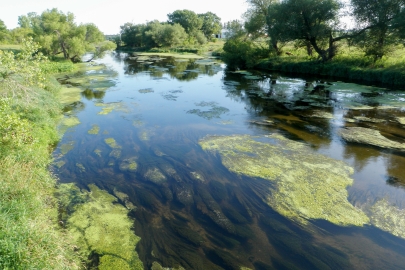
Although Minnesota’s impaired waters list is growing as the state monitors and assesses more watersheds, so too is the list of waters that are improving. The MPCA works with partners to take on projects such as restoring wetlands, stabilizing streambanks and fixing septic systems to make improvements. Restoration efforts can take several years to decades to complete, but there are many examples of impaired waters that have been restored. Since 2002, the agency has removed 125 lakes and river segments from the impaired waters list because restoration activities led to those lakes and river segments meeting water quality standards.
Groundwater contamination continues to be a concern
Groundwater is the drinking water source for approximately 75% of Minnesota and provides almost all of the water used to irrigate crops. However, groundwater availability in the state varies by region. It is more difficult to access in the northeast and is scarce in some areas of the southwest.
The MPCA oversees the investigation and cleanup of active, contaminated sites. As part of this program,we have identified hundreds of sites where releases of hazardous substances have contaminated soil and groundwater.
Our closed landfill program has found PFAS contamination exceeding Minnesota Department of Health drinking water guidance values in 59 closed landfills.
The MPCA, in partnership with the DNR, is actively cleaning up PFAS groundwater contamination covering over 150 square miles, affecting the drinking water supplies of over 140,000 Minnesotans. Learn more about the 3M PFAS settlement on our 3M Settlement website.
The way we use our land impacts our waters
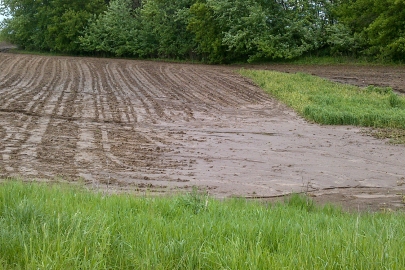
Land use has a major influence on water quality in the state. Cities and towns have abundant hard surfaces, such as roofs, streets, parking lots, and sidewalks. Rain and snow melt runs across these “hardscapes” rather than soaking into the ground, carrying leaves, dirt, trash, chemicals, and much more into storm drains and lakes, rivers, and streams.
Run off in rural areas poses several risks to Minnesota’s water quality. More than 70% of nitrate polluting in Minnesota waters comes from cropland. The problem is intensified by the increasing use of drain tile — plastic pipe installed under farmland to remove excess water from subsoils. In tiled cropland, rainwater flows through the drain tile on its way to surface water, carrying excess nutrients with it.
In addition, the land used for useful services and facilities can be a source of groundwater contamination. For example, underground tanks at a gas station can leak, releasing petroleum products to soil and groundwater. Some of our waste ends up in landfills, which can be a source of contamination if not managed properly.
Half of Minnesota's stream miles have been altered by humans
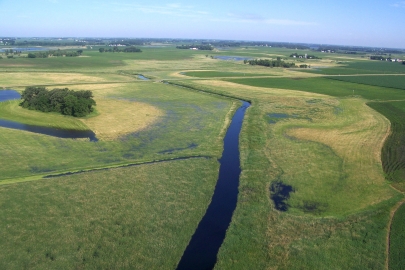
About half of Minnesota’s 83,000 stream miles have been physically altered by humans. Channelizing, ditching, and damming projects have changed the natural course of streams and their drainage areas. Altered stream channels can result in higher flows, higher levels of pollutants entering waterways, and degraded habitat.