Body
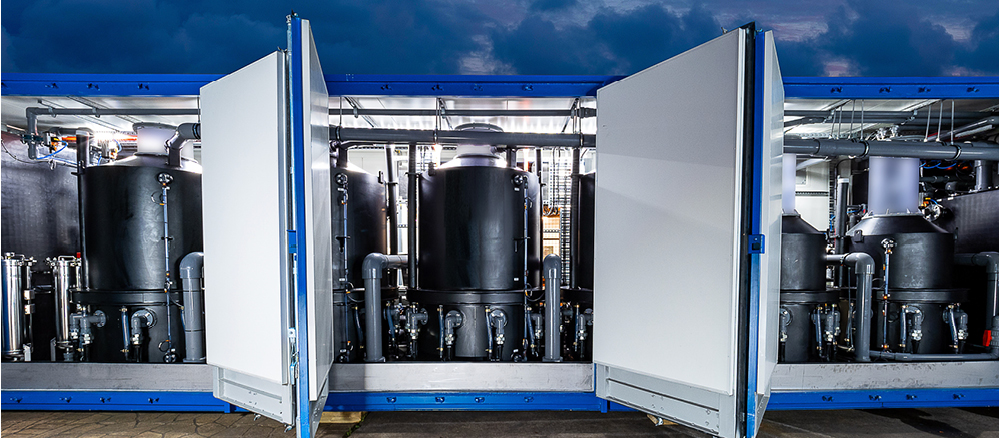
Minnesota is the first state government in U.S. to use this combination of innovative technologies to address "forever chemicals”
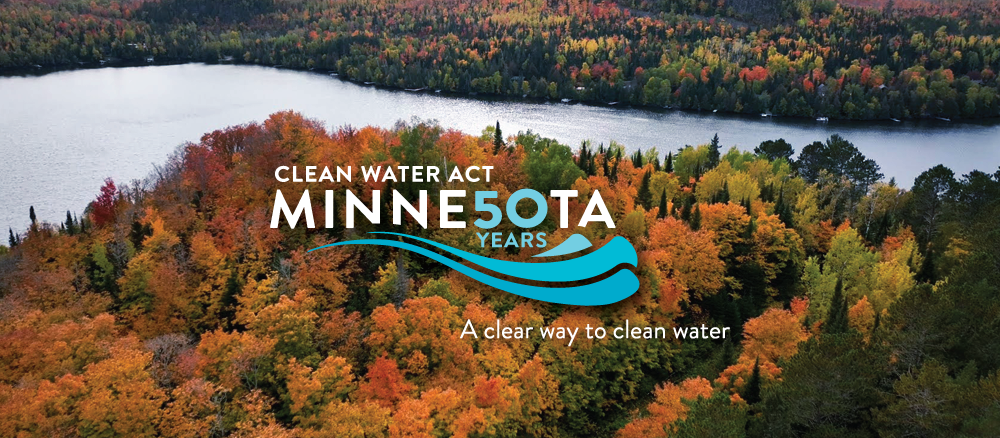
The Clean Water Act established the framework for creating water quality standards and continues to help us protect Minnesota's prized lakes and rivers.
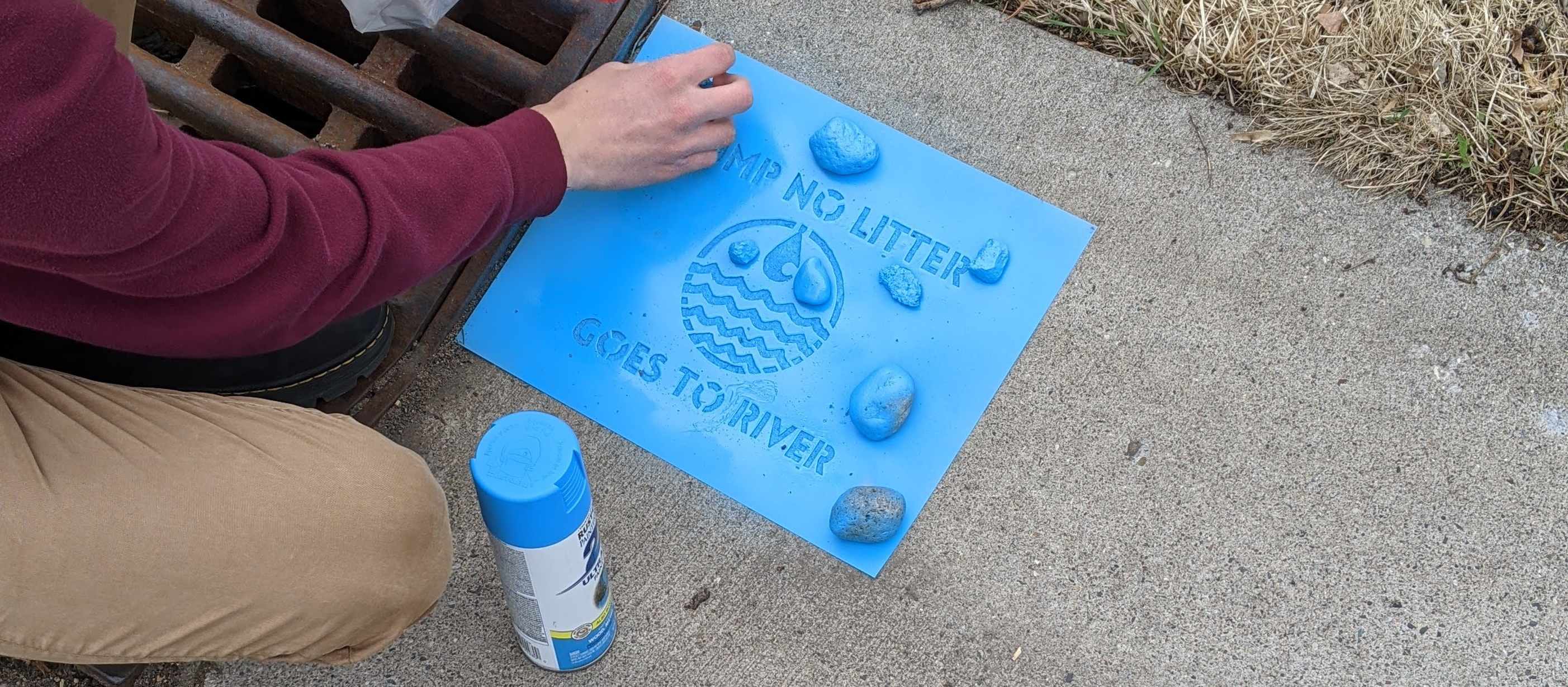
Dakota County is now hosting We Are Water MN, a traveling exhibit and community engagement program that explores Minnesotans’ relationships with water.
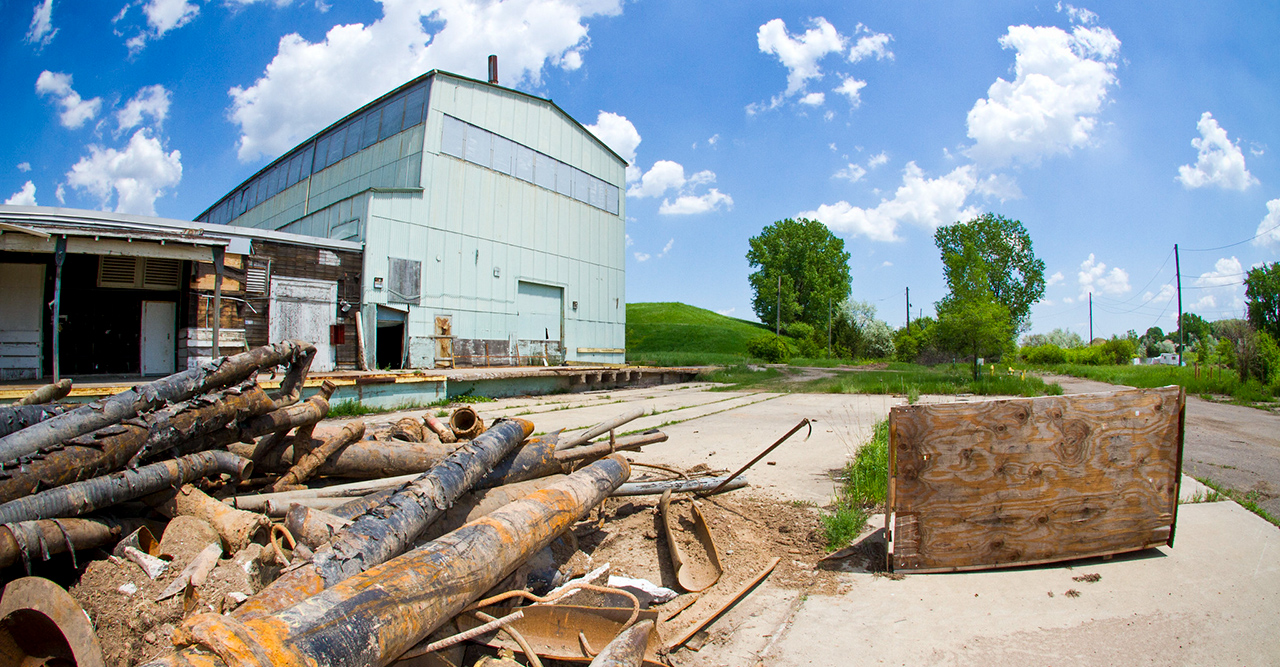
The Army has proposed a plan for cleaning up contaminated sediment in Round Lake, located within the Twin Cities Army Ammunition Plant (TCAAP) site.
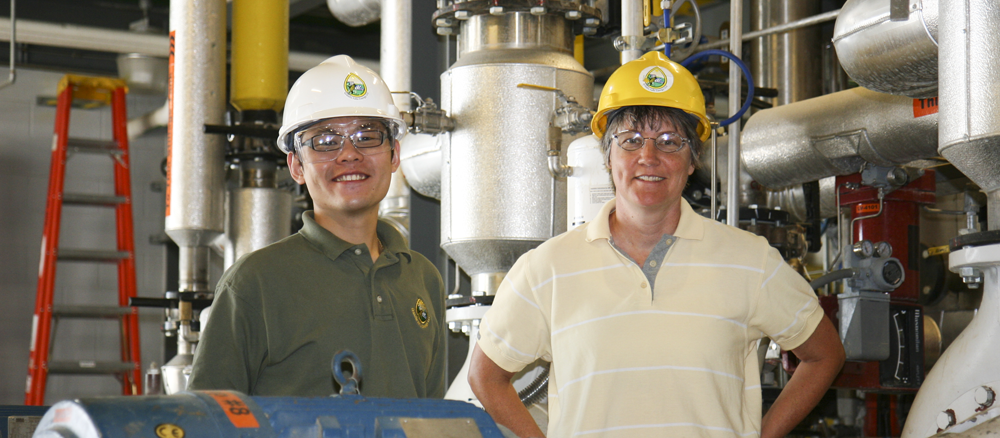
The MPCA's new online training will help small businesses adapt to the effects of climate change and become more resilient.

Lights, camera, antics! Students at Century College script and produce a fun video as part of their coursework.
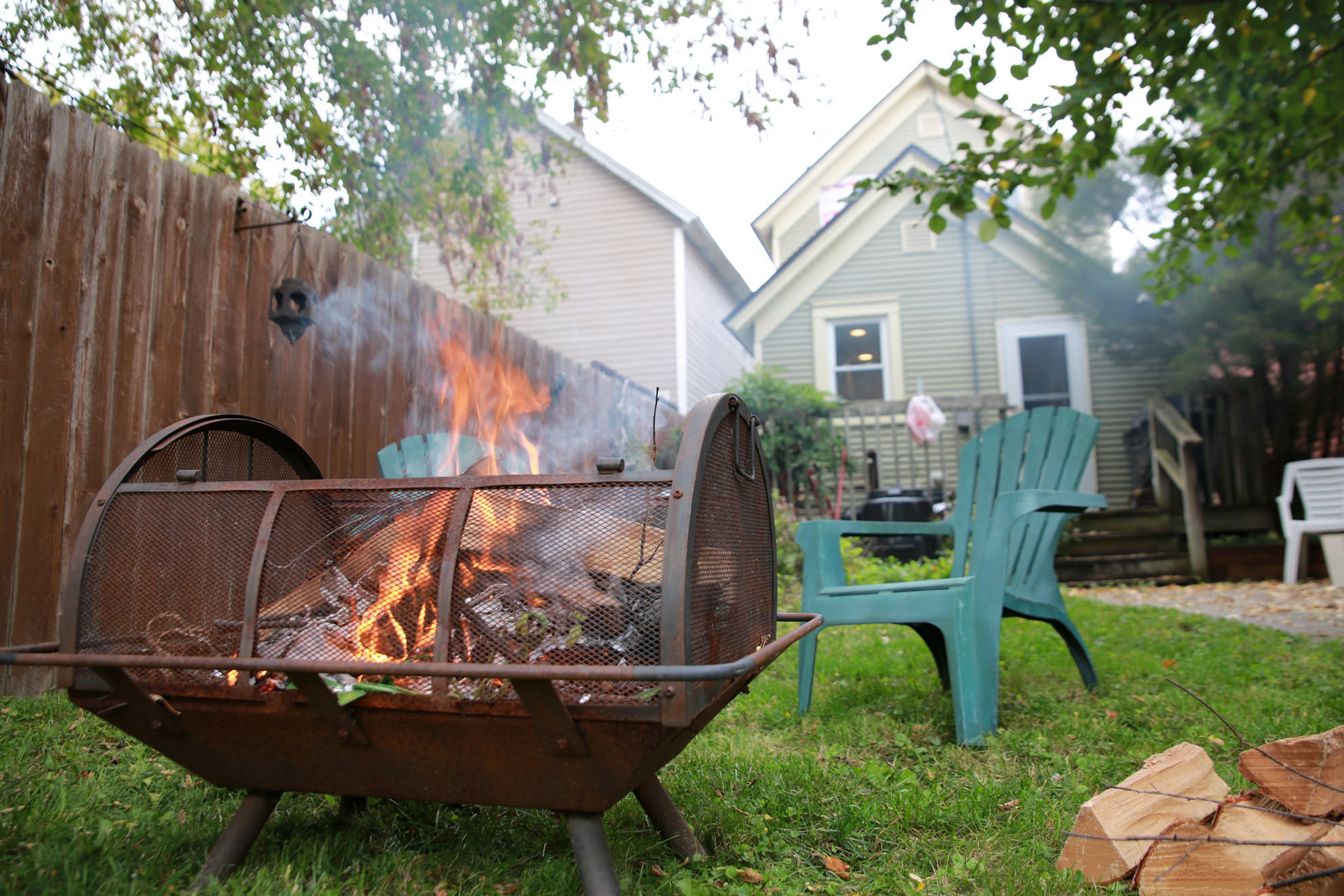
Learn what steps you can take to reduce the pollution from small neighborhood sources.
Spilled mercury, even small quantities in the home, should be cleaned up quickly and properly so that people don't come in contact with it or breathe its vapors.
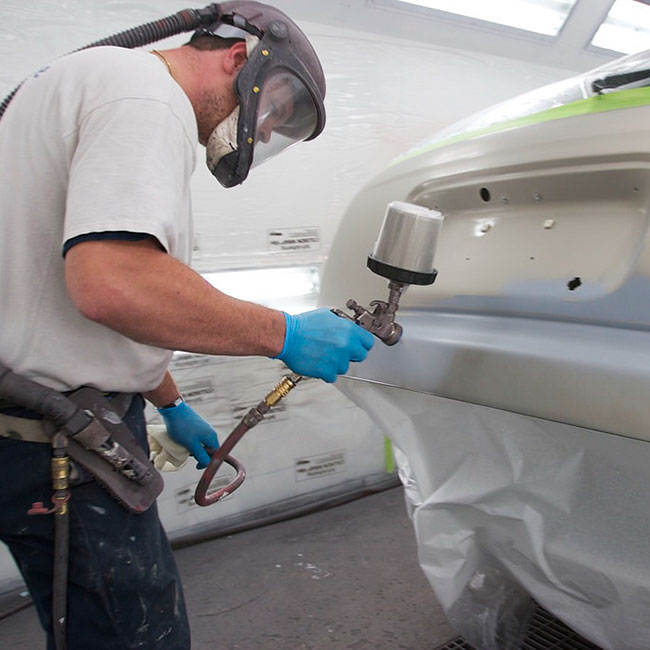
New easy-to-access trainings help small businesses figure out if they are subject to MPCA regulations, and how to become more sustainable.